When we see a home run crushed into the upper deck, it’s easy to think: “That guy swings so fast—no wonder he hit it so far.” And there’s some truth to that. Bat speed is a huge asset. A fast swing can launch the ball with serious power—if the hitter makes clean contact.
But that’s the key: contact.
Hitting a baseball—especially a fastball—takes more than raw bat speed. And if you ask some of the game’s best hitters, they’ll tell you the same.
Bat Speed = Power Potential
Bat speed gives hitters potential. Faster swings create more energy on contact, leading to higher exit velocities—the speed the ball leaves the bat. That’s what turns hard line drives into doubles and long fly balls into no-doubt home runs.
But all the bat speed in the world means nothing if the hitter misses.
The Real Challenge: Timing, Balance, and Adjustments
A 95-mph fastball can travel about 139 feet-per-second, so it will reach home plate in about 0.43 seconds. In that tiny window of time, a hitter must:
- Recognize the pitch (fastball? slider? curve?)
- Track its spin and speed
- Decide whether to swing
- And if yes—launch a swing that connects in exactly the right spot
That’s what makes hitting so difficult—and so impressive when it’s done well.
Tony Gwynn, one of the best contact hitters in baseball history, wasn’t known for explosive bat speed. But his pitch recognition, timing, and ability to adjust his swing to where the ball was going was unmatched.
Adjustments Are Everything
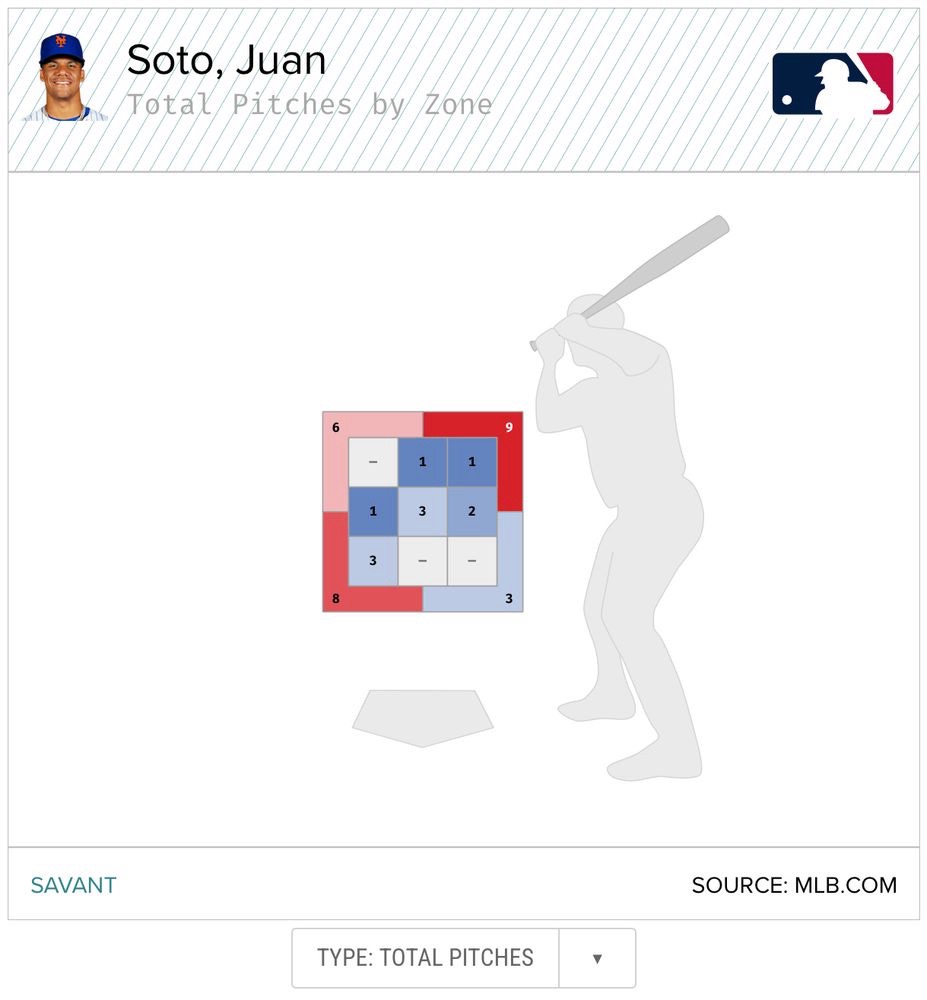
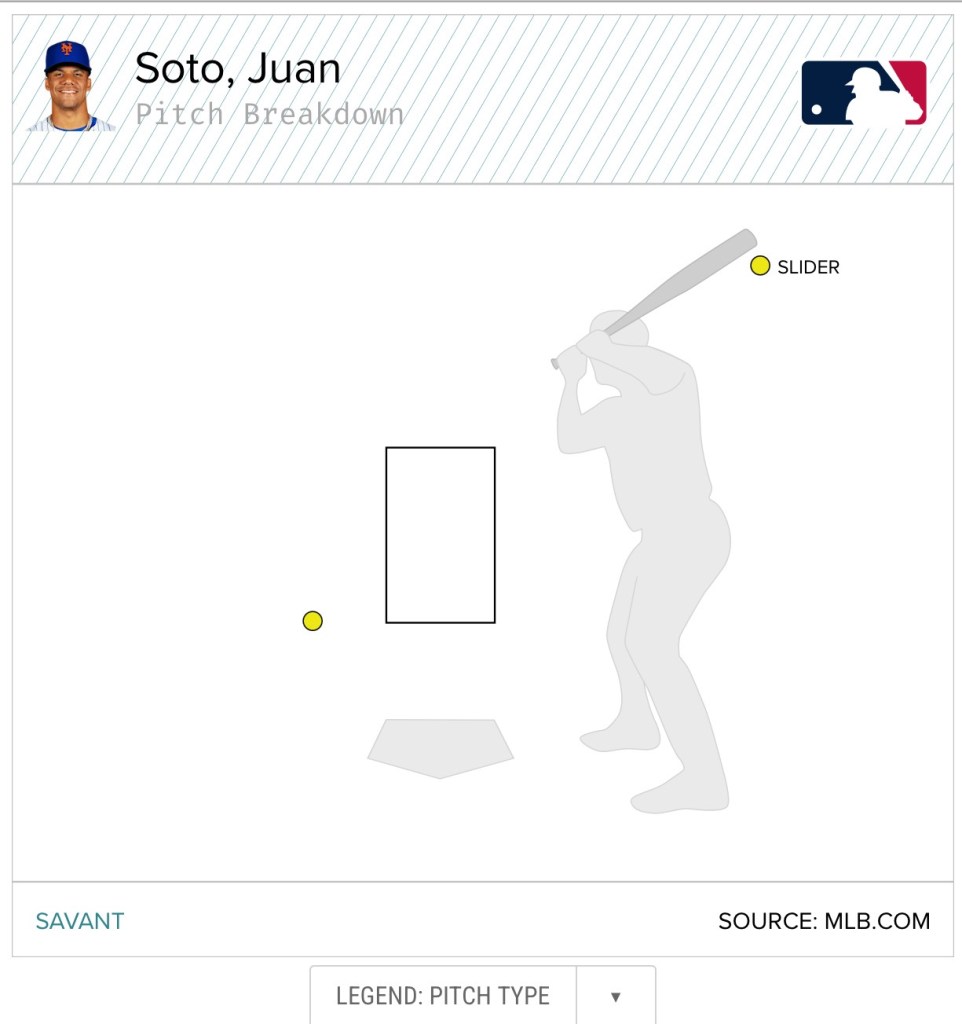
Modern hitters like Juan Soto or Freddie Freeman show what it means to combine bat speed with elite control. Soto has excellent bat speed, but what really sets him apart is his ability to track pitches deep into the zone and adjust at the last moment.
Freeman is known for his smooth, controlled swing. He’s not just trying to hit the ball hard—he’s trying to hit it well. And he adjusts to pitch location better than almost anyone in the league.
In contrast, some young players come up with massive bat speed but struggle at first in the majors because they’re out of control or can’t read pitches. Bat speed doesn’t help when you’re swinging at the wrong pitch.
For example, this season, the Mets’ Brett Baty has the second-fastest bat speed at 75.8 mph, per Baseball Savant, just behind Pete Alonso’s 76.6. However, Baty is hitting just .111—the lowest batting average on the team.
Why is Baty still starting at second base? Mets manager Carlos “Mendoza said, Baty is going to continue to receive chances because ‘we believe in the player … there’s tools, there’s a lot to like there.’”
So, What Makes a Great Hitter?
Bat speed is important—but it’s not enough on its own. Great hitters:
- Time the pitch perfectly
- Stay balanced so they can swing with control
- Adjust mid-swing to the pitch’s location
That’s why someone with average bat speed but who’s shown elite timing and pitch recognition—like a Jeff McNeil—can consistently produce, while others with top-tier bat speed might flame out.
The Bottom Line
Bat speed gives you power potential. But hitting ability turns that potential into results.
It’s not just about swinging fast—it’s about swinging smart.
For more related to this topic, check out Enos Sarris’s article, “What Can Hitters Actually See Out of a Pitchers Hand?”
 Bats and Stats